India's home services sector is experiencing unprecedented growth, driven by urbanization, dual-income households, and increasing digital adoption. The market, valued at ₹40,000 crores in 2025, is projected to reach ₹1,00,000 crores by 2030.
Market Overview:
Key Statistics: - Market size: ₹40,000 crores (2025) - Growth rate: 20-25% annually - Digital penetration: 35% (up from 10% in 2020) - Organized sector: Only 18% (huge opportunity) - Service professionals: 15 million+ - Urban households using services: 62%
Major Service Categories: 1. Cleaning & Pest Control: ₹12,000 Cr (30%) 2. Repairs & Maintenance: ₹10,000 Cr (25%) 3. Home Renovation: ₹8,000 Cr (20%) 4. Beauty & Wellness: ₹6,000 Cr (15%) 5. Others (tutors, cooks, etc.): ₹4,000 Cr (10%)
Consumer Behavior:
Demographics: - Metro cities: 45% of market - Tier-1 cities: 35% of market - Tier-2 cities: 20% (fastest growing) - Age group: 25-45 years (70% of customers) - Working professionals: 65% of users - Homeowners: 55%, Renters: 45%
Booking Preferences: - Phone call: 45% (still dominant) - Mobile apps: 35% (growing fast) - WhatsApp: 15% (emerging) - Walk-in: 5% (declining)
Pain Points: 1. Trust issues: 68% worried about strangers at home 2. Quality: 52% faced poor service quality 3. Pricing: 47% feel overcharged 4. Timeliness: 43% experienced delays 5. Communication: 38% faced language barriers
What Consumers Value: 1. Reliability: Show up on time (85% importance) 2. Quality work: Skilled professionals (82%) 3. Fair pricing: Transparent quotes (78%) 4. Background verification: Safety assured (76%) 5. Warranty: Work guarantee (71%)
Service-Specific Insights:
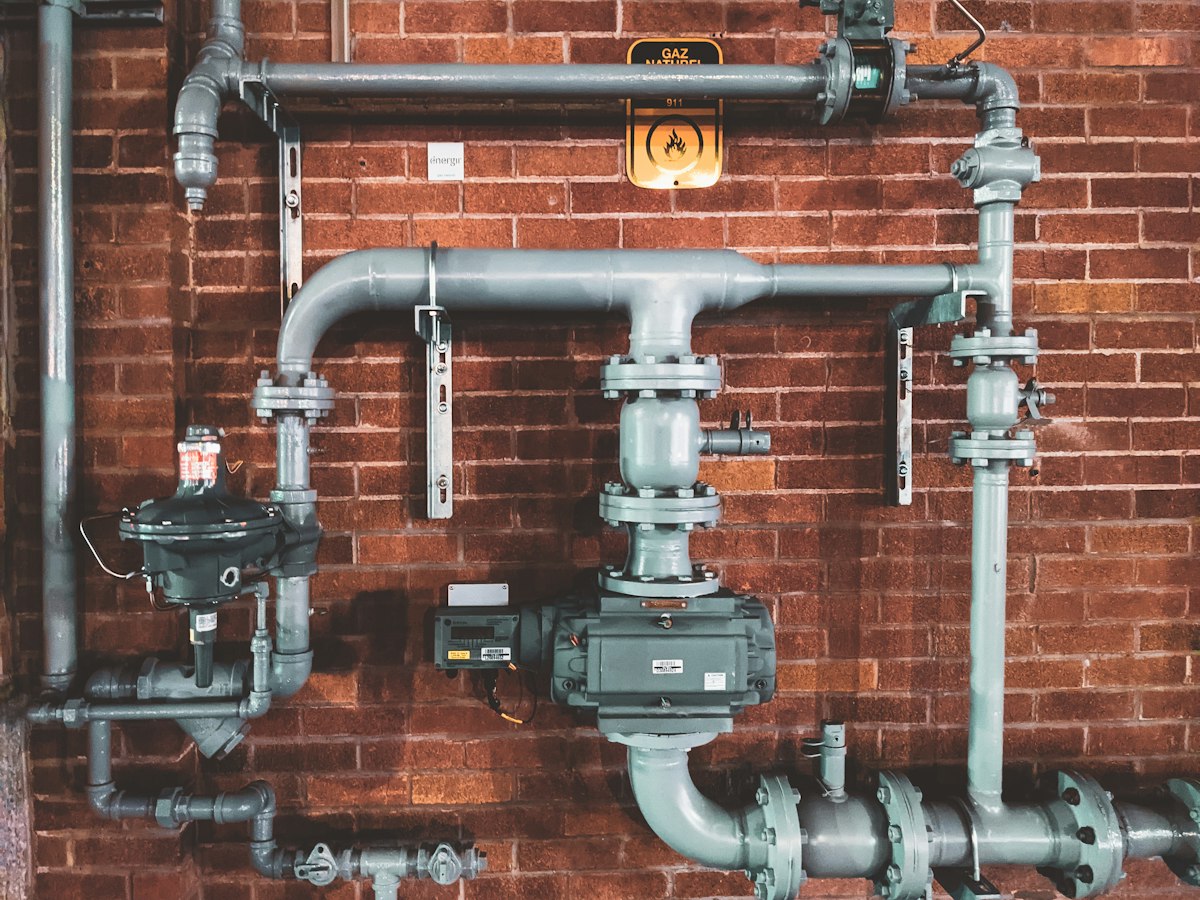
Plumbing: - Average ticket size: ₹800-3,000 - Peak demand: Monsoon season - Emergency calls: 40% of requests - Repeat customer rate: 65% - Common services: Tap repairs, pipe leaks, toilet fixes
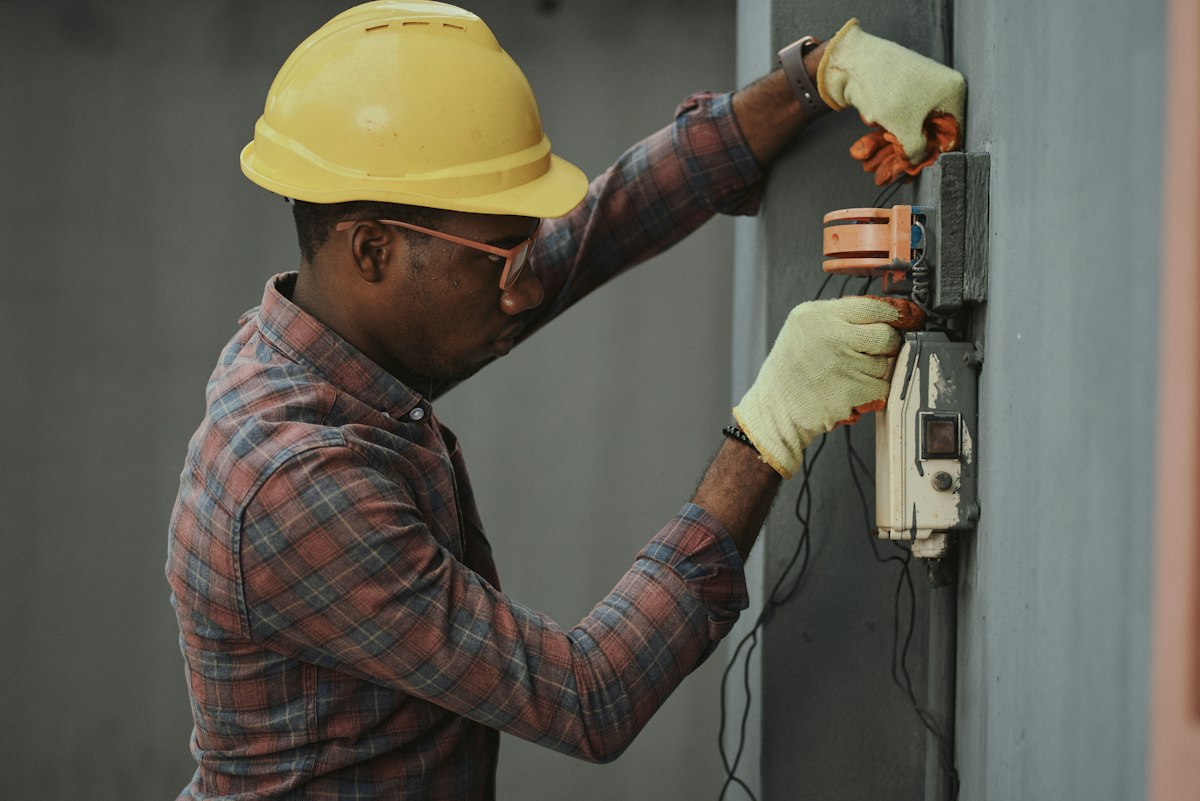
Electrical: - Average ticket size: ₹600-2,500 - Safety concern highest - Installation services growing (modular switches, fans) - AC maintenance regular revenue source - License verification important to customers
Painting: - Average ticket size: ₹15,000-80,000 - Seasonal peaks: Pre-festival (Diwali, etc.) - Project duration: 3-7 days typically - Material cost: 40-50% of total - Repeat frequency: 3-4 years
Pest Control: - Average ticket size: ₹1,500-5,000 - Recurring revenue model works well - AMC adoption: 35% and growing - Health consciousness driving growth - Pre-monsoon and post-monsoon peaks
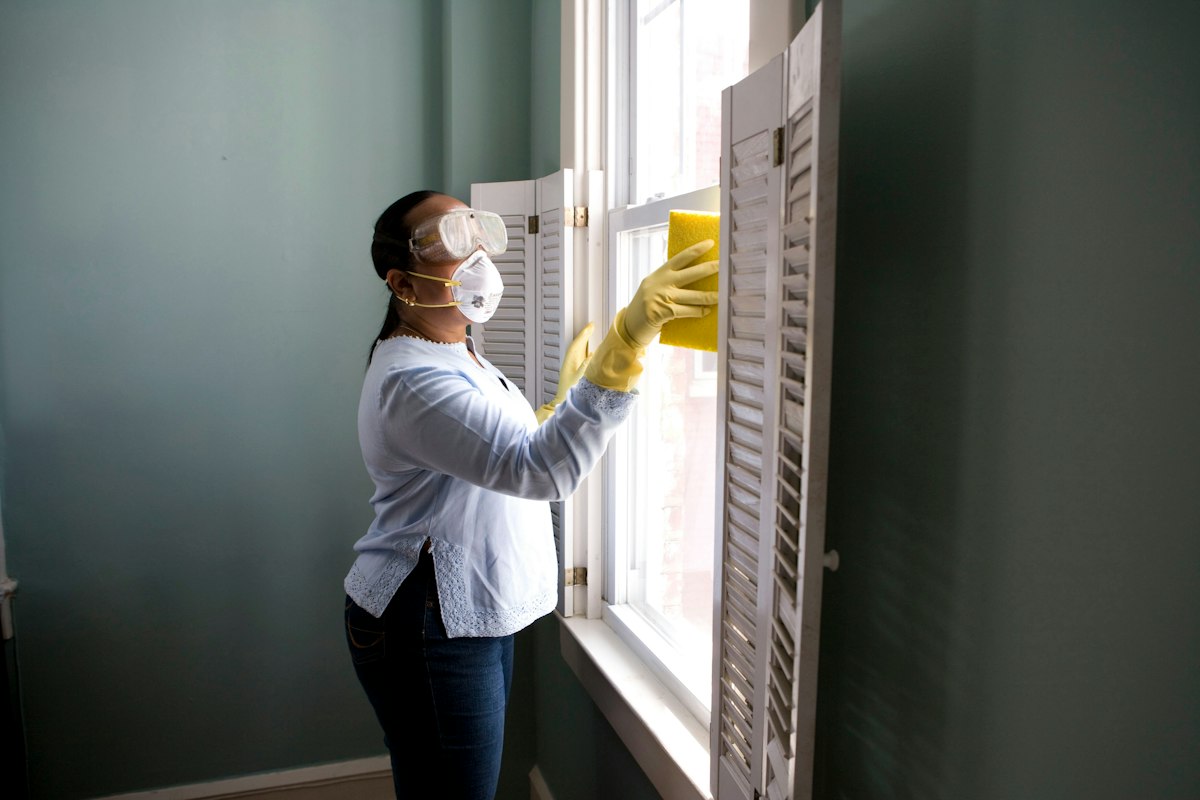
Home Cleaning: - Average ticket size: ₹500-2,000 per session - Subscription model: 40% of customers - Weekend slots in highest demand - Deep cleaning growing 40% YoY - Sofa, carpet cleaning add-ons profitable
Carpentry: - Average ticket size: ₹2,000-15,000 - Furniture assembly from e-commerce driving demand - Custom work declining (IKEA effect) - Repair services growing - Quick fixes most common
Appliance Repair: - Average ticket size: ₹800-3,500 - TV, AC, washing machine top categories - Warranty expiry drives demand - Spare parts margin critical - Brand-authorized status increases trust
Pricing Strategies:
Fixed Pricing vs Dynamic: - Fixed: Builds trust, easier marketing - Dynamic: Based on location, urgency, time - Hybrid: Fixed base + dynamic add-ons (most common)
Market Rates (Metro Cities): - Plumber: ₹300-500/hour - Electrician: ₹250-450/hour - Painter: ₹50-150/sq ft - Carpenter: ₹350-600/hour - Pest control: ₹8-15/sq ft - Deep cleaning: ₹2,000-5,000/home - AC service: ₹400-800/unit
Pricing Tips: 1. Transparent breakup (labor + materials) 2. Visiting charges clear upfront 3. Emergency premium (30-50% extra) 4. Subscription discounts (15-20% off) 5. Referral discounts (₹100-500)
Digital Transformation:
Major Platforms: - Urban Company: Market leader, premium positioning - Housejoy: Value positioning - Justdial: Discovery platform - Sulekha: Local services - Zimmber: Emerging player
Technology Adoption: - GPS tracking of professionals - Online payment (UPI dominant) - Real-time updates to customers - Rating and review systems - CRM for follow-ups
Benefits of Going Digital: - 3x customer acquisition - 40% reduction in no-shows - Better utilization (60% vs 40%) - Data-driven pricing - Customer retention improves by 35%
Starting a Home Services Business:
Investment Required:
Solo Professional: - Basic tools: ₹15,000-50,000 - Marketing: ₹5,000-15,000 - Initial working capital: ₹10,000-30,000 - Total: ₹30,000-95,000
Small Team (3-5 professionals): - Equipment: ₹1-3 lakhs - Vehicle: ₹2-4 lakhs (second-hand) - Marketing & branding: ₹50,000-1.5 lakhs - Working capital: ₹1-2 lakhs - Total: ₹4.5-10.5 lakhs
Franchise (UrbanClap, Housejoy): - Franchise fee: ₹2-10 lakhs - Setup cost: ₹5-15 lakhs - Marketing support provided - Total: ₹7-25 lakhs
Revenue Potential:
Individual Professional: - Jobs per day: 2-4 - Average ticket size: ₹1,000-2,500 - Monthly revenue: ₹60,000-3,00,000 - Profit margin: 40-60% - Monthly profit: ₹24,000-1,80,000
Small Business: - Team of 5 professionals - Monthly revenue: ₹3-10 lakhs - Operating expenses: 50-60% - Monthly profit: ₹1.2-4 lakhs
Challenges:
- 1. **Trust Deficit:** Background verification crucial
- **Quality Control:** Training and monitoring needed
- **Professional Retention:** High attrition (40-60%)
- **Competition:** Pricing pressure from platforms
- **Seasonality:** Revenue fluctuations
- **Collection:** Payment defaults in cash transactions
Success Strategies:
- 1. **Specialization:** Be known for one service
- **Quality Focus:** Word of mouth is gold
- **Digital Presence:** Google Business, Facebook
- **Customer Service:** Follow-ups build loyalty
- **Pricing Strategy:** Competitive but not cheapest
- **Warranty:** Offer service guarantee
- **Reviews:** Encourage happy customers
- **Referral Program:** Incentivize recommendations
- **Professionalism:** Uniform, ID cards, punctuality
- **Multiple Services:** Cross-sell related services
Regulatory & Compliance:
Licenses Required: - GST registration (if revenue > ₹20 lakhs) - Trade license from municipality - Shop and establishment act registration - Professional tax registration (varies by state) - Labor license (if employees > 10)
Insurance: - Professional liability insurance - Worker's compensation insurance - Equipment insurance - Vehicle insurance
Safety: - Background verification of all staff - Training on safety procedures - First aid kits - Safety gear (gloves, masks, etc.)
Global Comparison:
India vs Developed Markets:
Similarities: - Digital adoption accelerating - Trust and quality key concerns - Subscription models gaining traction - Platform aggregation trend
Differences: - Pricing: Indian services 70-80% cheaper - Tipping: Not common in India (unlike US) - Formal contracts: Rare for small jobs in India - Insurance: Uncommon in India - Specialization: More generalists in India
Learnings from Global Markets: - US: Customer service excellence, online reviews - Singapore: Certification and licensing strict - China: Super app model (Meituan) - Europe: Subscription and loyalty programs
Future Trends:
- 1. **Platform Dependency:** 50% of bookings via apps by 2027
- **Skilled Labor Shortage:** Training programs crucial
- **Subscription Models:** AMCs for regular services
- **Smart Home Integration:** IoT-enabled services
- **Green Services:** Eco-friendly cleaning, solar installation
- **Instant Booking:** Uber-like immediacy
- **AI-Powered Matching:** Right professional for right job
- **Transparency:** Video assessments, live updates
- **Quality Certification:** Industry standards emerging
- **Regional Expansion:** Tier-2, tier-3 cities growth
Investment Outlook:
Funding Activity: - UrbanCompany: $255M total funding - Housejoy: $32M - ZImmber: $12M - Smaller players raising seed rounds
Why Investors Like This Space: - Huge unorganized market to capture - Recurring revenue potential - Network effects (more professionals = better service) - Data valuable for other services - Expansion to adjacent categories easy
Career Opportunities:
For Professionals: - Steady demand (recession-proof) - Flexible hours - Income potential: ₹20,000-80,000/month - Skill development - Entrepreneurship possibility
For Managers: - Operations roles in platforms - Franchise management - Quality assurance - Training and development - Customer success
Conclusion:
The Indian home services market is at an inflection point. The shift from unorganized to organized, offline to online, and one-time to subscription-based creates massive opportunities.
For service professionals: Focus on quality, professionalism, and customer service. Build a reputation, leverage digital tools, and grow systematically.
For entrepreneurs: Start small, prove the model, then scale. Partner with platforms initially, build your brand, and eventually create your ecosystem.
For consumers: Demand quality and transparency. Support good professionals with reviews and referrals. Use digital platforms for accountability but support local businesses.
The next five years will define winners in this space. Those who can balance quality, affordability, and convenience while building trust will capture the massive opportunity in India's home services revolution.