India's construction industry is booming with a market size of $738 billion in 2026, growing at 7.1% annually. With rapid urbanization, government infrastructure push, and rising disposable incomes, this sector offers immense opportunities for homeowners, investors, and professionals.
Market Overview:
Key Statistics: - Construction market: ₹61 lakh crores ($738 billion) - Housing demand: 50 million units by 2030 - Smart cities: 100 cities under development - Green buildings: Growing at 20% annually - Real estate investment: ₹13.5 lakh crores annually
Major Segments: 1. Residential: 65% of market (₹40 lakh crores) 2. Commercial: 20% (₹12 lakh crores) 3. Industrial: 10% (₹6 lakh crores) 4. Infrastructure: 5% (₹3 lakh crores)
Construction Costs in India (2026):
Residential Construction: - Budget homes: ₹1,200-1,800 per sq ft - Standard homes: ₹1,800-2,500 per sq ft - Premium homes: ₹2,500-4,000 per sq ft - Luxury villas: ₹4,000-8,000+ per sq ft
Commercial Construction: - Office spaces: ₹2,000-3,500 per sq ft - Retail shops: ₹1,800-3,000 per sq ft - Restaurants: ₹2,500-4,500 per sq ft - Hotels: ₹3,500-7,000 per sq ft
Cost Breakdown: - Materials: 60-65% - Labor: 20-25% - Equipment & machinery: 8-10% - Professional fees: 5-8% - Permits & approvals: 2-3%
Architectural Services:
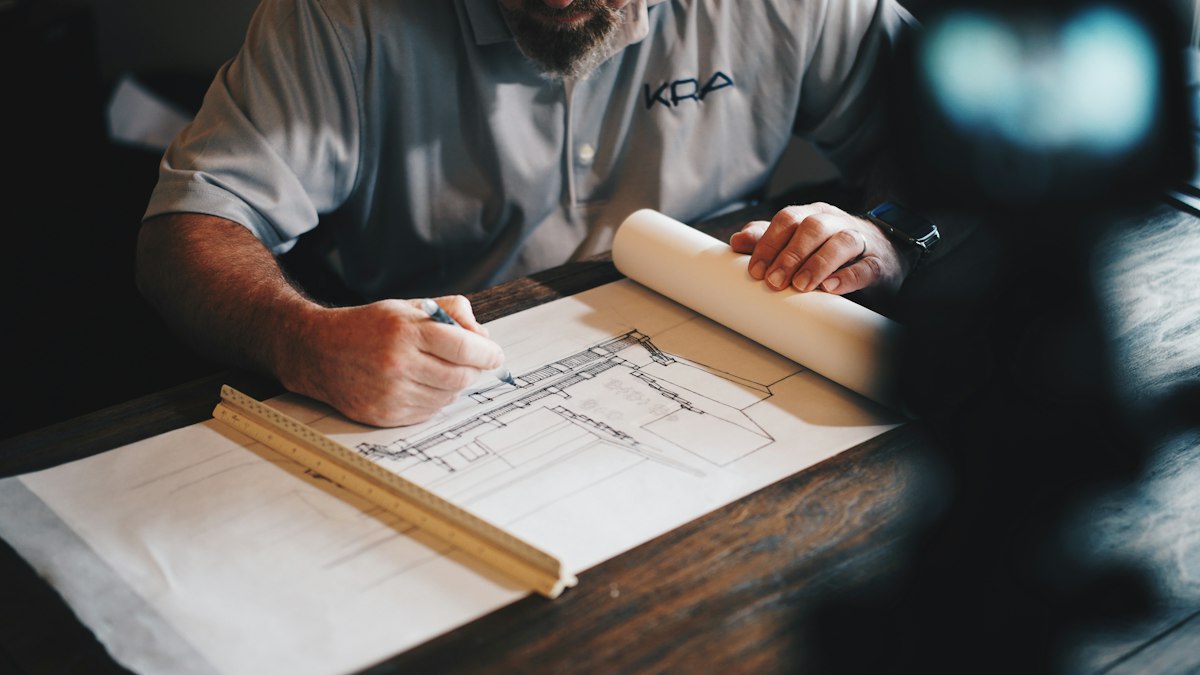
2D Drawing Costs: - Basic floor plans: ₹5-15 per sq ft - Detailed working drawings: ₹15-30 per sq ft - Complete architectural set: ₹25-50 per sq ft
3D Rendering: - Exterior renders: ₹15,000-50,000 per view - Interior renders: ₹10,000-30,000 per room - Walkthrough videos: ₹1,00,000-5,00,000 - Virtual reality tours: ₹2,00,000-10,00,000
Architect Fees: - Design consultation: ₹500-2,000 per hour - Complete project (percentage of construction cost): 6-10% - Small projects (₹10-30 lakhs): 8-12% - Large projects (₹1 crore+): 4-7%
Interior Design: - Consultation: ₹1,000-3,000 per hour - Complete design (per sq ft): ₹50-300 - Basic interiors: ₹50-100 per sq ft - Premium interiors: ₹150-300 per sq ft - Luxury interiors: ₹300-600+ per sq ft
Indian Building Regulations:
Mandatory Approvals: 1. Building Plan Approval: Municipality/Gram Panchayat 2. Commencement Certificate: Before starting construction 3. Occupancy Certificate: After completion 4. Fire NOC: For buildings above 15 meters 5. Environmental Clearance: For projects above 20,000 sq m
Setback Requirements: - Front: 3-9 meters (based on road width) - Sides: 1-3 meters - Rear: 2-3 meters - Varies by city and plot size
Floor Space Index (FSI/FAR): - Mumbai: 1.0-2.5 - Delhi: 1.75-3.5 - Bangalore: 1.75-2.25 - Hyderabad: 1.75-2.75 - Varies by location and plot use
Sustainable Construction Trends:
Green Building Features: - Solar panels: Save ₹8,000-15,000 monthly - Rainwater harvesting: 30-50% water savings - LED lighting: 75% energy reduction - Natural ventilation: Reduce AC costs by 40% - Waste recycling: 30% cost reduction in long term
Green Certifications: - IGBC (Indian Green Building Council) - LEED India: Platinum, Gold, Silver, Certified - GRIHA: 5-star to 1-star ratings - ECBC: Energy Conservation Building Code
Benefits: - 20-30% lower operating costs - 15-20% higher property value - Tax benefits and subsidies - Better health and productivity - Reduced carbon footprint
Modern Construction Technologies:
Emerging Technologies: 1. Pre-fab Construction: 30% faster, 15% cheaper 2. 3D Printing: Experimental, reducing waste by 60% 3. BIM (Building Information Modeling): 20% cost savings 4. Drone Surveys: Accurate site analysis 5. Smart Home Integration: IoT devices, automation
Materials Innovation: - AAC blocks (Autoclaved Aerated Concrete): Lightweight, insulated - Fly ash bricks: Eco-friendly, cost-effective - Steel frame construction: Earthquake-resistant - Bamboo: Sustainable alternative to steel - Recycled materials: Cost-effective and green
Interior Design Trends 2026:
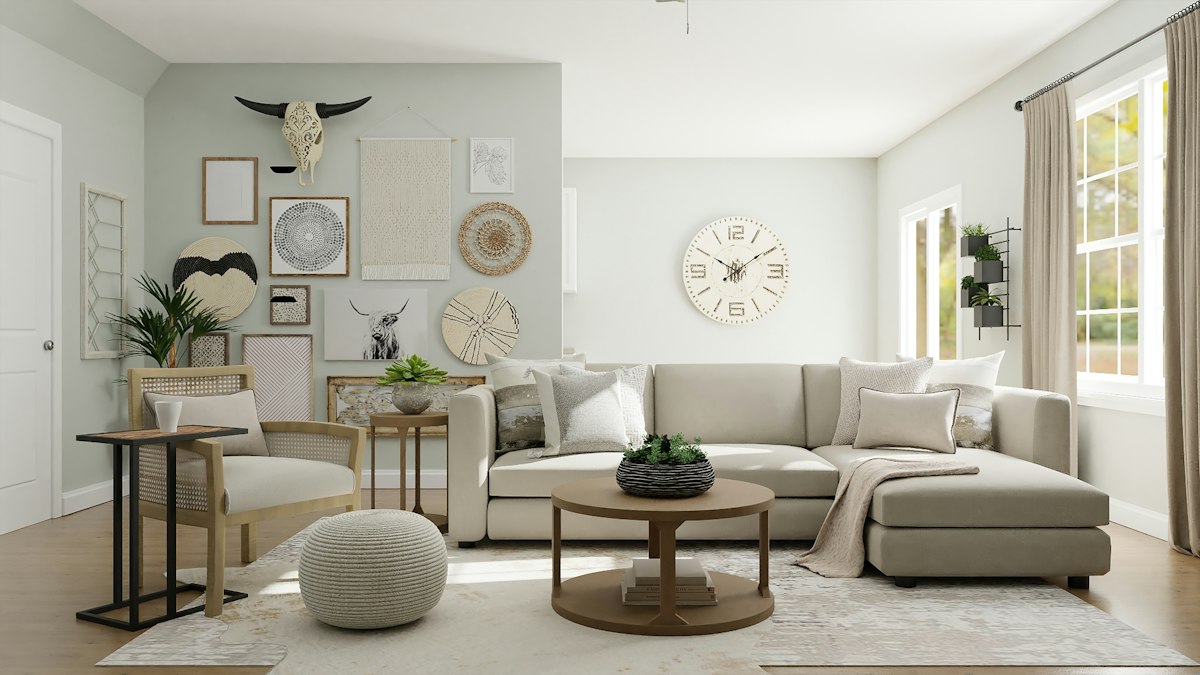
Popular Styles: 1. Minimalist Modern: Clean lines, neutral colors 2. Contemporary Indian: Fusion of traditional and modern 3. Industrial: Exposed brick, metal accents 4. Biophilic: Nature-inspired, plants 5. Smart Homes: Tech-integrated designs
Color Trends: - Earthy tones: Terracotta, ochre, sage green - Jewel tones: Emerald, sapphire, ruby accents - Neutral bases: Beige, gray, white - Bold accents: Mustard, teal, burgundy
Material Preferences: - Flooring: Vitrified tiles, wooden flooring, marble - Walls: Textured paint, wallpaper, wood panels - Ceiling: False ceiling with LED, POP designs - Fixtures: Brass, matte black, brushed nickel
Cost-Saving Strategies:
Design Phase: 1. Optimize design to reduce material waste 2. Choose standard sizes (reduce cutting costs) 3. Plan electrical/plumbing efficiently 4. Avoid unnecessary structural complexity 5. Use natural light and ventilation
Materials: 1. Buy during off-season (10-15% savings) 2. Bulk purchase discounts 3. Local materials (reduce transport costs) 4. Alternative materials (fly ash vs red brick) 5. Negotiate with suppliers (5-10% possible)
Labor: 1. Fixed contract vs daily wages (10% savings) 2. Supervise to avoid wastage 3. Hire during lean season 4. Local labor (no accommodation costs) 5. Skilled labor saves rework costs
Timeline: 1. Complete design before construction 2. Order materials in advance 3. Weather-appropriate scheduling 4. Single-phase vs multiple phases 5. Avoid last-minute changes
Common Mistakes to Avoid:
Planning Stage: 1. Starting without complete approvals (legal issues) 2. Inadequate site survey (foundation problems) 3. Poor soil testing (structural failures) 4. Ignoring future needs (costly modifications) 5. Unrealistic budget (project delays)
Design Stage: 1. Copying designs without customization 2. Inadequate storage planning 3. Poor natural light consideration 4. Ignoring climate conditions 5. Trendy over functional
Construction Stage: 1. Compromising on foundation quality 2. Using substandard materials 3. Inadequate waterproofing 4. Poor supervision 5. Skipping quality checks
Hiring Professionals:
Architects: *When to hire:* - New construction projects - Major renovations - Structural modifications - Commercial projects - Complex designs
*Red flags:* - No portfolio or references - Vague fee structure - Not visiting site before quote - No contract or terms - Unrealistic timelines
Interior Designers: *When to hire:* - After structure is complete - For space optimization - Custom furniture needs - Complete home makeover - Budget constraints (they prevent overspending)
*What they provide:* - 2D/3D designs - Material sourcing - Contractor coordination - Project management - Timely completion
Civil Contractors: *How to choose:* - Check past projects physically - Verify contractor licenses - Get multiple quotes (3-5) - Detailed scope of work - Payment milestones (not full advance)
*Payment structure:* - 10-20% advance - 30% at plinth level - 30% at lintel level - 30% at completion - 10% after 3 months (defect liability)
Financing Options:
Home Loans: - Interest rates: 8.5-10.5% (2026) - Tenure: Up to 30 years - Loan-to-value: 75-90% of property value - Processing fees: 0.5-1% of loan amount
Construction Loans: - Disbursed in stages - Based on construction progress - Interest on disbursed amount only - Converts to home loan after completion
Government Schemes: - PMAY (Pradhan Mantri Awas Yojana): Subsidy up to ₹2.67 lakhs - CLSS (Credit Linked Subsidy Scheme): Interest subsidy - State housing schemes: Varies by state
Regional Variations:
Metro Cities: - Mumbai: Highest costs (₹5,000-12,000 per sq ft) - Delhi NCR: ₹3,500-8,000 per sq ft - Bangalore: ₹3,000-7,000 per sq ft - Hyderabad: ₹2,500-6,000 per sq ft
Tier-2 Cities: - 30-40% lower than metros - Growing demand for quality construction - Emerging architecture firms - Modern designs at affordable rates
Rural Areas: - Traditional construction methods - Local materials usage - 50-60% lower costs - Limited professional services
Technology Integration:
Smart Home Features: - Voice-controlled lighting: ₹15,000-50,000 - Smart HVAC: ₹80,000-2,00,000 - Security systems: ₹30,000-1,50,000 - Entertainment systems: ₹50,000-3,00,000 - Complete automation: ₹2,00,000-10,00,000
Energy Management: - Solar rooftop: ₹60,000-80,000 per kW - Smart meters: Track real-time consumption - Battery storage: ₹20,000-40,000 per kWh - Payback period: 4-6 years
Construction Management Software: - Project planning and tracking - Budget management - Material procurement - Labor management - Quality control
Future Trends:
2026-2030 Predictions: 1. Modular construction: 40% market by 2030 2. Green buildings: Mandatory in many cities 3. AI in design: Automated optimization 4. Robotics: Bricklaying, 3D printing 5. Carbon-neutral buildings: Net-zero energy
Emerging Concepts: - Co-living spaces: Millennials preference - Flexible office spaces: Remote work trend - Vertical gardens: Urban green spaces - Wellness architecture: Health-focused designs - Aging-in-place: Senior-friendly designs
Investment Perspective:
Returns on Investment: - Residential: 8-12% annual appreciation (tier-1 cities) - Commercial: 10-15% rental yields - Land: 12-20% appreciation in developing areas - REITs: 7-9% dividend yields + appreciation
Best Investment Locations: - Tier-2 cities: High growth potential - IT corridors: Consistent demand - Metro connectivity areas: Infrastructure-led growth - Smart cities: Long-term appreciation
Conclusion:
Construction and architecture in India are undergoing a transformation. With technology, sustainability, and design innovation becoming mainstream, this is an exciting time for the industry.
For homeowners: Invest in good design and quality construction. It saves money long-term and enhances quality of life.
For professionals: Upskill in sustainable design, BIM, and project management. The demand for quality professionals far exceeds supply.
For investors: Real estate remains one of India's best long-term investments. Choose wisely, think long-term, and prioritize quality over quick gains.
The next decade will see India build more than its entire existing infrastructure. Those who build smart, sustainable, and thoughtfully will create lasting value for generations.