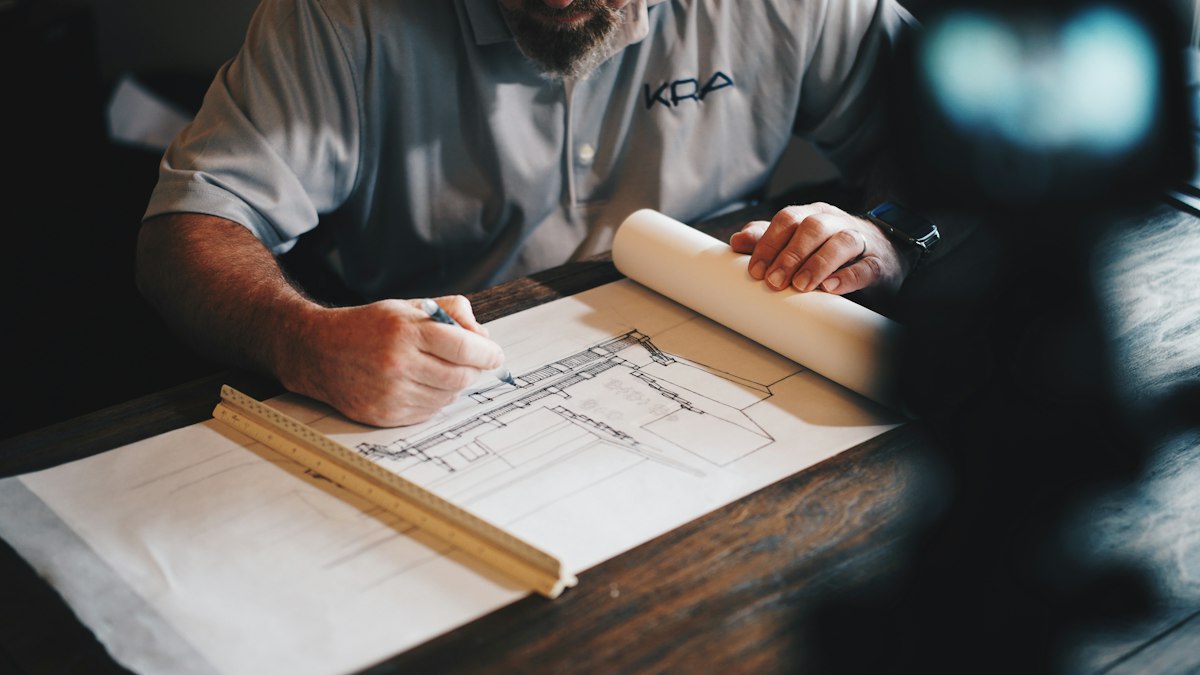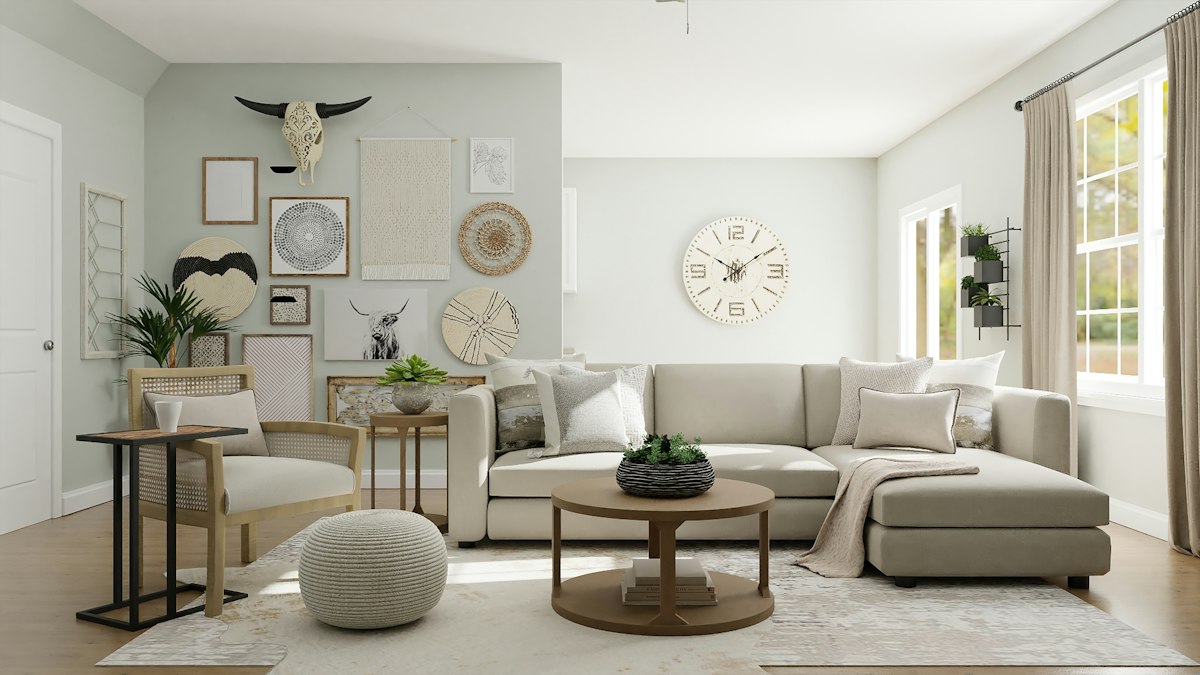
Interior design has evolved from a luxury to a necessity for Indian homeowners. With 68% of urban Indians investing in professional interior design, the market is booming at ₹55,000 crores and growing at 12% annually.
Why Interior Design Matters:
Beyond Aesthetics: - Space optimization: 30-40% better utilization - Functionality: Daily life becomes easier - Property value: 15-25% increase with good interiors - Psychological well-being: Colors and layout affect mood - Cost savings: Prevents expensive mistakes
Statistics: - 71% buyers prefer furnished/semi-furnished homes - Good interiors sell 2x faster - 85% satisfaction rate with professional designers vs 45% DIY
Interior Design Costs in India:
Per Square Foot Pricing: - Basic package: ₹50-100 per sq ft - Essential furniture - Standard materials - Functional design - 2-3 months timeline
- **Premium package:** ₹150-250 per sq ft - Custom furniture - Quality materials - Detailed design - 3-4 months timeline
- **Luxury package:** ₹300-600+ per sq ft - Bespoke furniture - Imported materials - Signature designs - 5-8 months timeline
Room-wise Costs:
Living Room (200 sq ft): - Basic: ₹1,00,000-1,50,000 - Premium: ₹2,50,000-4,00,000 - Luxury: ₹5,00,000-12,00,000
Bedroom (150 sq ft): - Basic: ₹75,000-1,25,000 - Premium: ₹1,75,000-3,00,000 - Luxury: ₹3,50,000-8,00,000
Kitchen (100 sq ft): - Basic: ₹1,50,000-2,50,000 - Premium: ₹3,00,000-5,00,000 - Luxury: ₹6,00,000-15,00,000
Bathroom (50 sq ft): - Basic: ₹50,000-1,00,000 - Premium: ₹1,50,000-2,50,000 - Luxury: ₹3,00,000-7,00,000
Designer Fee Structures:
Consultation Only: - ₹1,000-3,000 per hour - 2-3 hour sessions - Design recommendations - Material suggestions - No execution
Design + Supervision: - 10-15% of project cost - Complete designs - Material procurement help - Regular site visits - Quality checks
Turnkey Projects: - 18-25% of total cost - Complete responsibility - Single point of contact - Material + labor included - Warranty on work
Popular Interior Design Styles:
1. Contemporary Indian: - Modern furniture with traditional elements - Neutral base with colorful accents - Jali work, brass, ethnic art - Best for: Heritage lovers with modern taste - Cost: Medium to high
2. Minimalist: - Less is more philosophy - Clean lines, clutter-free - Neutral colors, simple furniture - Best for: Small spaces, modern lifestyle - Cost: Low to medium
3. Scandinavian: - Light colors, natural materials - Functional and cozy - Wood, white, pastels - Best for: Young professionals - Cost: Medium
4. Industrial: - Exposed brick, metal, concrete - Open spaces, high ceilings - Dark colors, vintage furniture - Best for: Loft spaces, large homes - Cost: Medium to high
5. Bohemian (Boho): - Eclectic, colorful, artistic - Mix-match furniture - Plants, textiles, art - Best for: Creative personalities - Cost: Low to medium
6. Traditional Indian: - Ornate furniture, rich fabrics - Warm colors, carved wood - Cultural artifacts - Best for: Traditional families - Cost: High
7. Japandi: - Japanese + Scandinavian fusion - Minimalist with warmth - Natural materials, functionality - Best for: Calm, organized spaces - Cost: High
Space Planning Principles:
Living Room: - Furniture arrangement: Conversation-friendly layout - Traffic flow: Clear pathways (3 feet minimum) - Focal point: TV, fireplace, or view - Lighting: Ambient + task + accent - Storage: 20% of room volume
Bedroom: - Bed placement: Against solid wall, not under window - Wardrobe: Minimum 2 feet depth - Bedside tables: Both sides for symmetry - Reading light: Adjustable, 150-200 lumens - Ventilation: Cross-ventilation preferred
Kitchen: - Work triangle: Stove-sink-fridge (15-22 feet total) - Counter height: 32-36 inches - Upper cabinets: 18-20 inches above counter - Storage: 60% closed, 40% open - Electrical points: Every 2 feet
Bathroom: - Dry-wet separation: Essential for Indian bathrooms - Ventilation: Exhaust fan + window - Storage: Above WC, under sink - Grab bars: For elderly safety - Non-slip flooring: Absolutely necessary
Material Selection:
Flooring Options:
Vitrified Tiles: - Cost: ₹40-300 per sq ft - Pros: Durable, low maintenance, variety - Cons: Cold feeling, slippery when wet - Best for: Entire home except bedrooms
Wooden Flooring: - Cost: ₹200-800 per sq ft (engineered), ₹400-1500 (solid) - Pros: Warm, premium look, comfortable - Cons: Maintenance, water damage risk - Best for: Bedrooms, living room
Marble/Granite: - Cost: ₹150-800 per sq ft - Pros: Elegant, cool, long-lasting - Cons: Expensive, needs sealing - Best for: Living room, entryway
Laminate: - Cost: ₹80-250 per sq ft - Pros: Wood look, affordable, easy installation - Cons: Cannot be refinished, moisture sensitive - Best for: Bedrooms on budget
Wall Treatments:
Paint: - Cost: ₹15-60 per sq ft (including labor) - Types: Emulsion, distemper, enamel, textured - Refresh needed: 5-7 years
Wallpaper: - Cost: ₹50-500 per sq ft - Types: Vinyl, non-woven, fabric, 3D - Refresh needed: 7-10 years
Wall Panels: - Cost: ₹150-800 per sq ft - Types: Wood, PVC, WPC, 3D - Refresh needed: 10-15 years
Furniture Choices:
Sofa Sets: - Fabric: ₹25,000-1,50,000 (3-seater) - Leather: ₹60,000-3,00,000 - Modular: ₹80,000-4,00,000 - Recliner: ₹1,50,000-6,00,000
Beds: - Platform bed: ₹15,000-80,000 - Storage bed: ₹25,000-1,20,000 - Hydraulic bed: ₹35,000-1,50,000 - Upholstered bed: ₹40,000-2,00,000
Wardrobes: - Freestanding: ₹20,000-1,00,000 - Built-in (per running foot): ₹800-3,000 - Walk-in closet: ₹1,50,000-8,00,000
Dining Table: - 4-seater: ₹25,000-1,20,000 - 6-seater: ₹40,000-2,00,000 - 8-seater: ₹60,000-3,50,000
Lighting Design:
Types of Lighting:
Ambient Lighting: - Overall illumination - Ceiling lights, chandeliers - 100-150 lumens per sq ft
Task Lighting: - Specific activities - Study lamps, kitchen under-cabinet - 300-500 lumens at work surface
Accent Lighting: - Highlight features - Wall washers, spotlights - 3x ambient lighting level
Lighting Costs: - LED bulbs: ₹150-500 each - Decorative fixtures: ₹2,000-50,000 - Smart lights: ₹800-3,000 each - Designer chandeliers: ₹15,000-5,00,000
Color Psychology:
Living Room: - Warm neutrals: Welcoming, comfortable - Earth tones: Grounding, relaxing - Avoid: Dark colors (makes space smaller)
Bedroom: - Blues & greens: Calming, sleep-inducing - Soft pastels: Peaceful, soothing - Avoid: Bright reds (stimulating)
Kitchen: - White & cream: Clean, spacious feel - Yellow accents: Energizing, cheerful - Avoid: Dark colors (shows dirt)
Home Office: - Blue: Productivity, focus - Green: Balance, creativity - Avoid: Too warm colors (lethargy)
Storage Solutions:
Clever Storage Ideas: - Under-bed storage: Extra 20-30 cu ft - Loft spaces: Seasonal items - Wall-mounted shelves: Save floor space - Ottoman with storage: Dual purpose - Vertical cabinets: Utilize height - Behind-door hooks: Maximize every inch
Wardrobe Organization: - Hanging space: 60-70% - Shelves: 20-30% - Drawers: 10-15% - Shoe racks: 15-20 pairs per person - Accessories drawer: Must-have
Hiring an Interior Designer:
When to Hire: - Complete home interiors - Lack of time for execution - Budget constraints (they prevent overspending) - Need professional expertise - Want cohesive design
How to Choose:
Portfolio Review: - Check 10-15 completed projects - Visit 2-3 projects in person - Similar budget projects - Style alignment - Client testimonials
Questions to Ask: 1. How many projects are you handling currently? 2. Who will be my point of contact? 3. What's included in your fee? 4. How do you handle changes? 5. What's your typical timeline? 6. Do you provide warranty? 7. How do you handle disputes?
Red Flags: - No physical office - 100% advance payment demand - Vague contract terms - No insurance coverage - Unrealistic timelines - Copied portfolio images
Project Timeline:
Complete 2BHK (1000 sq ft): - Design phase: 3-4 weeks - Approvals & orders: 2-3 weeks - Civil work: 4-6 weeks - Furniture fabrication: 6-8 weeks - Installation: 2-3 weeks - Total: 4-6 months
Common Delays: - Design changes midway - Material unavailability - Labor shortage - Festival seasons - Payment delays
DIY vs Professional:
DIY Interior Design: *Pros:* - Cost savings (20-30%) - Complete control - Personal satisfaction - Learn new skills
*Cons:* - Time-consuming (3-4x longer) - Risk of mistakes (costly fixes) - Limited professional contacts - No warranty on work - Stressful execution
Professional Designer: *Pros:* - Expertise and experience - Time-saving - Professional contacts (better rates) - Cohesive design - Warranty and accountability
*Cons:* - Higher initial cost (15-25%) - Less personal involvement - Dependency on designer's availability - Communication challenges
Budget Optimization:
Save Money Without Compromising:
Design Phase: - Reuse existing furniture (repaint/reupholster) - Focus on high-impact areas (living, master bedroom) - Phased execution (one room at a time)
Materials: - Local alternatives to imported products (40-60% savings) - Factory outlets for branded items (20-40% off) - Off-season purchases (festival sales, end-of-season)
Furniture: - Online marketplaces (Urban Ladder, Pepperfry) - Local carpenters for custom pieces (30% cheaper) - Semi-finished furniture (assemble yourself)
Decor: - DIY art and decor - Second-hand vintage pieces - Plants instead of expensive decor
Don't Compromise On: - Structural work quality - Waterproofing - Electrical wiring - Plumbing - Mattress quality
Maintenance Guide:
Daily: - Wipe kitchen counters - Fluff sofa cushions - Make beds - Sweep high-traffic areas
Weekly: - Vacuum carpets - Mop floors - Dust surfaces - Clean bathrooms - Water plants
Monthly: - Deep clean kitchen - Wash curtains - Clean light fixtures - Polish furniture - Check for repairs needed
Yearly: - Repaint touch-ups - Deep furniture cleaning - Termite treatment - Waterproofing check - Electrical safety audit
Future Trends:
2026 Trends: - Biophilic design: Nature-inspired, indoor plants - Sustainable materials: Recycled, eco-friendly - Smart homes: Voice-controlled everything - Multifunctional spaces: Work-from-home setups - Maximalism return: Bold colors, patterns
Emerging Concepts: - Wellness design: Air quality, circadian lighting - Flexible furniture: Modular, movable - Local artisan: Handcrafted, unique pieces - Texture mixing: Layered, tactile spaces - Dark interiors: Moody, dramatic (breaking rules)
Mistakes to Avoid:
Planning: - Starting work without complete design - Underestimating budget (add 20% buffer) - Ignoring storage needs - Following trends blindly - Not considering resale value
Execution: - Choosing cheapest contractor - No written contract - Not checking samples in natural light - Skipping quality checks - Accepting verbal commitments
Design: - Over-furnishing spaces - Ignoring proportion and scale - Poor lighting planning - Matching everything (too coordinated) - Ignoring personal style
Conclusion:
Interior design is a journey that transforms your house into a home. In India's growing market, the opportunities are immense for both homeowners seeking beautiful spaces and professionals offering quality design services.
For homeowners: Invest wisely, hire professionals for at least consultation, and remember that good design is timeless, not trendy.
For aspiring designers: The Indian interior design market needs 50,000+ trained professionals. Upskill, build portfolio, and focus on sustainable, functional design.
Your home is your sanctuary. Design it thoughtfully, execute it carefully, and enjoy it completely. Good interior design isn't an expense—it's an investment in daily happiness and long-term value.